What Makes a Roofing Contractor Legitimate
A roof replacement is one of the largest single home improvement projects most homeowners take on. Choosing a contractor who is properly licensed, insured, and has a documented track record protects you from cleanup disputes, manufacturer warranty problems, and liability issues if anything goes wrong on the job site.
Three credentials matter most when evaluating a contractor: an active state license, current general liability insurance plus workers' compensation coverage, and verifiable customer references you can actually contact. Licensing confirms the contractor met your state's training and competency standards. Insurance protects you financially if a worker is injured on your property or if their work causes damage. References tell you what the experience is actually like for homeowners.
The best contractors go further: BBB accreditation, manufacturer certifications from GAF, Owens Corning, or CertainTeed, membership in national or regional roofing associations, and a written workmanship warranty separate from the manufacturer's material warranty. Call (888) 217-6517 for a free written estimate from a licensed contractor who can provide every credential on request.
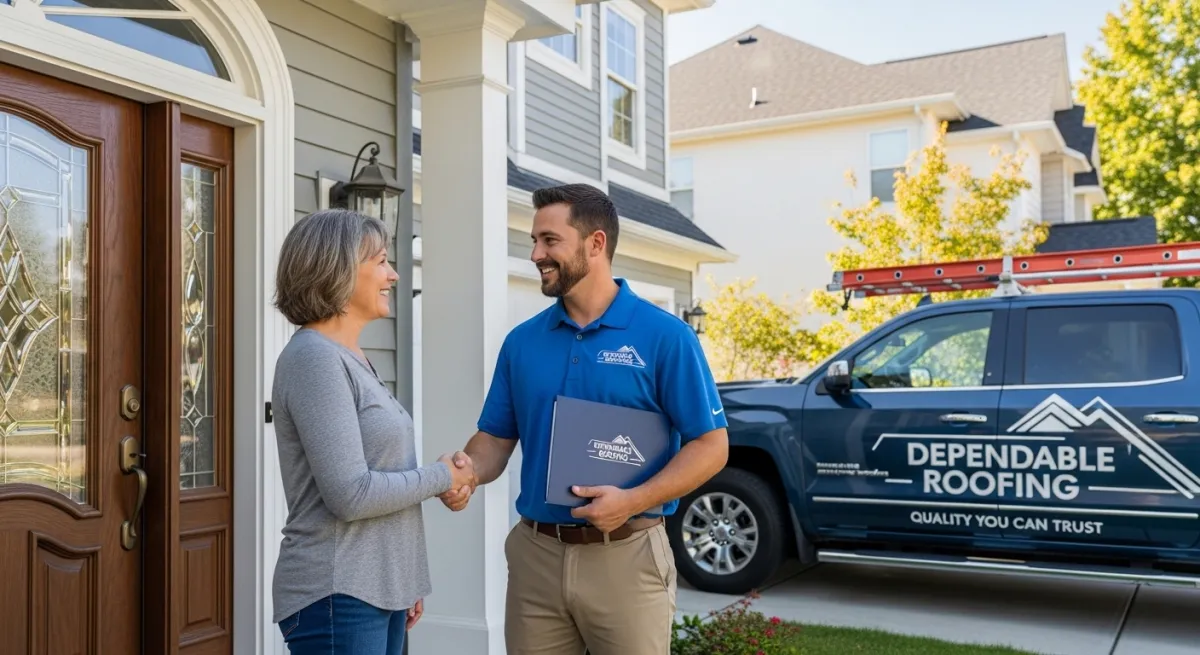
Get a Free Written Estimate
(888) 217-6517Licensed & Insured · Workmanship Warranty · No Obligation
"They provided license and insurance documents up front and walked us through the contract line by line." — Steven H., Houston, TX
7 Roofing Contractor Red Flags to Watch For
Most homeowners don't hire roofers often, which makes it easy to miss warning signs. The patterns below are common in contractor disputes and consumer complaints filed with state contractor boards.
1. Demands Full Payment Upfront
The industry standard is a 10–30% deposit at contract signing, with the balance due at milestones or upon completion. A contractor demanding 50% or more before any work starts is outside the norm. The risk is that a financially troubled contractor may take the deposit and disappear.
2. Won't Provide a License Number
In most states, residential roofing requires a state contractor license. A legitimate contractor provides the number immediately and doesn't object when you verify it through the state board. Hesitation or excuses are a red flag.
3. Bid Is Significantly Lower Than Competitors
A bid 25–50% lower than other quotes usually means something important was left out — drip edge, ice and water shield, ridge venting, decking allowance, or permits. Those items typically show up as change orders during the project, often pushing the final cost above competing bids. Compare quotes line by line.
4. High-Pressure Sales Tactics
"This price is only good today" is a common pressure tactic. A reputable contractor gives you time to review the proposal, check references, and make an informed decision. Time pressure is designed to prevent due diligence.
5. No Office, Website, or Local Footprint
Storm chasers and out-of-area operators sometimes work out of pickup trucks and don't maintain a permanent local presence. A contractor who won't be reachable in 5 years can't honor a workmanship warranty.
6. Resists Putting Things in Writing
A verbal agreement provides almost no protection if there's a dispute later. Every project needs a written contract that specifies scope, materials, cost, timeline, warranties, and payment terms. Resistance to a written contract is a serious warning sign.
7. No Insurance Certificate
If a worker is injured on your property and the contractor has no workers' compensation coverage, you may be financially responsible. If their work damages your home and they carry no general liability insurance, you may pay out of pocket. Always request a certificate of insurance and verify it's current with the carrier.
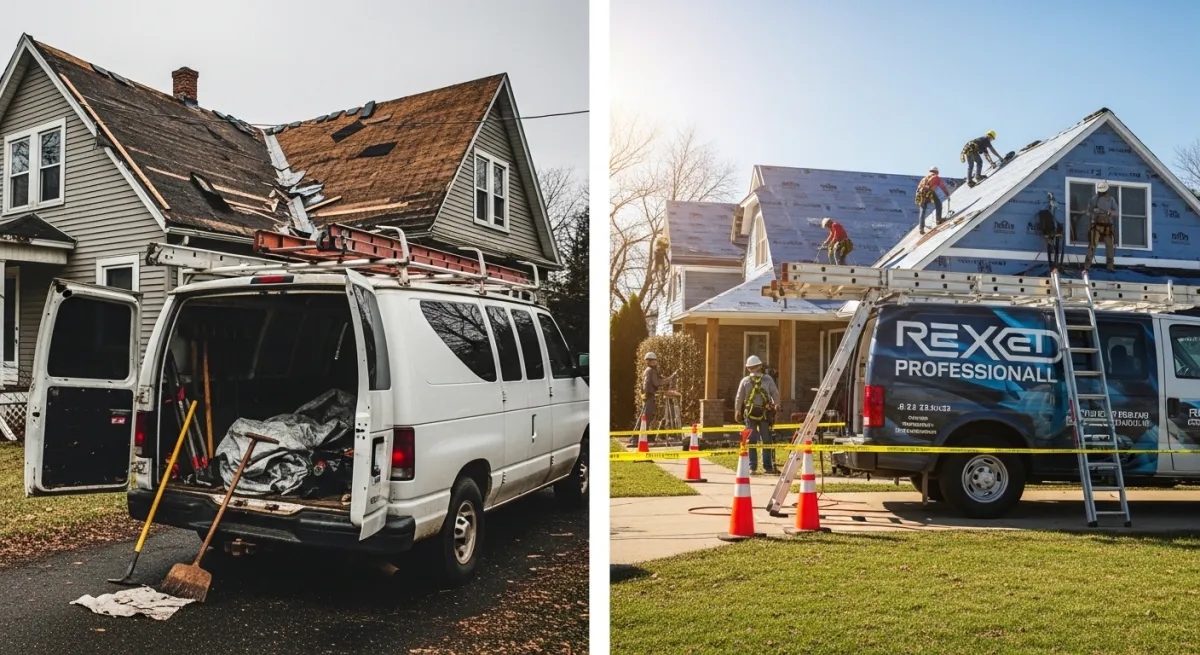
"After a door-knocker showed up offering a quick deal, I called these guys instead. License, insurance, and references all checked out." — Angela K., Nashville, TN
What a Quality Roofing Contractor Brings to the Project
Beyond meeting the minimum legal requirements, a quality contractor brings additional value to a roof replacement project that shows up in the final result and the long-term performance of the roof.
Experience Across Project Types
A contractor who has worked on homes similar to yours — same roof complexity, same material, same regional climate — will anticipate problems before they happen and recommend solutions that work in your environment.
Verifiable Customer References
Recent reviews on Google, BBB, and home services platforms give a realistic picture of what the contractor is like to work with. Asking for two or three local references you can call directly is also reasonable for a project of this size.
Workmanship Warranty in Writing
Workmanship warranties typically range from 5 to 25 years depending on the contractor, and cover installation defects separately from the manufacturer's material warranty. Get the terms in writing before signing.
Manufacturer Certifications
Certifications like GAF Master Elite, Owens Corning Preferred Contractor, and CertainTeed SELECT ShingleMaster require contractors to meet training and quality standards. They unlock extended manufacturer warranty programs that aren't available from non-certified installers.
Itemized Written Pricing
A proposal that breaks out materials, labor, tear-off, disposal, permits, decking allowance, and warranty terms makes it possible to compare quotes fairly and reduces the risk of surprise change orders during the project.
Insurance and License Documentation
Certificates of general liability insurance and workers' compensation coverage should be available on request. The contractor's state license number should be on the proposal and verifiable through the state contractor board.
Licensed & Insured
Every project is backed by full liability insurance and performed by state-licensed roofing professionals.
Warranty Protection
Comprehensive workmanship warranties plus full manufacturer material warranties on every roof.
24/7 Availability
Storm damage and emergency leaks do not wait for business hours. Our team is reachable around the clock.
Free Written Estimates
On-site inspection, photo documentation, and a detailed itemized quote — at no cost and with no obligation.
Transparent Pricing
Line-item quotes with no hidden fees. Financing options available so cost never blocks the right decision.
Insurance Claim Support
We work directly with adjusters, document storm and hail damage, and help you navigate the claim process.
Schedule a Free Roof Inspection
(888) 217-6517Free Written Assessment · Licensed Contractors · No Pressure
"Clear communication, on-time delivery, and a clean job site. Easy to recommend." — Patricia G., Denver, CO
10 Questions to Ask Before You Hire a Roofing Contractor
Use this list as a checklist when getting estimates. The answers will tell you a lot about how the contractor operates.
- Are you licensed in my state? Ask for the license number and verify it through the state contractor board.
- Do you carry general liability and workers' compensation? Request a certificate of insurance and verify it's current.
- How long have you been in business? Longer track records typically mean the contractor will be available to honor warranty work in the future.
- Can you provide local references I can contact? Recent customers in your area are the most relevant.
- What materials do you recommend for my home and why? The answer should reflect your climate, roof complexity, and budget — not whatever the contractor has in stock.
- Will you pull all required permits? Permits should be the contractor's responsibility and included in the written estimate.
- What does your workmanship warranty cover and for how long? Get the terms in writing, including duration, what's covered, and the claim process.
- Do you use your own crews or subcontractors? In-house crews tend to deliver more consistent quality. If subcontractors are used, ask whether they're insured under the main contractor's policy.
- What's the payment schedule? A typical structure is a deposit at signing and the balance at completion or at defined milestones.
- How do you handle unexpected issues like rotted decking? The answer should be that the contractor contacts you for approval before performing additional work, with documented pricing for the additional materials and labor.
Call (888) 217-6517 to schedule a free written estimate from a licensed contractor.
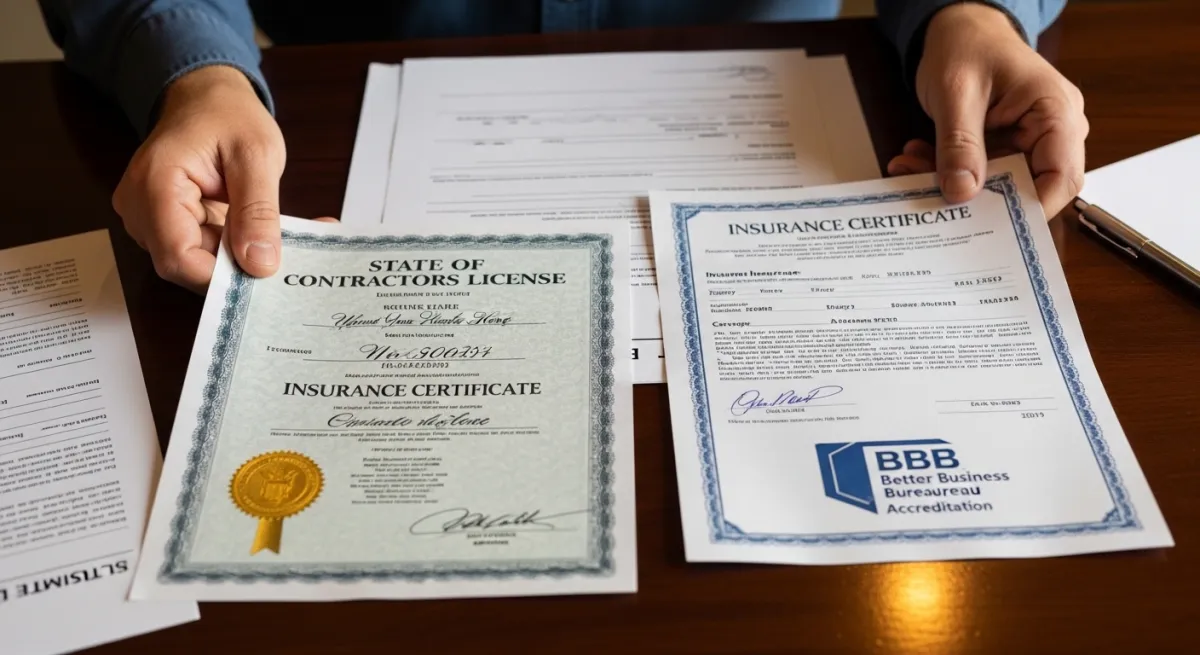
Our Roofing Contractor Credentials
Below are the credentials and standards we maintain on every project. All documentation is available on request before a contract is signed.
State Licensing
Active roofing contractor licenses in every state where we operate. License information is provided on request and verifiable through the state contractor board.
Insurance Coverage
General liability insurance and workers' compensation coverage for every crew member. Certificates are provided before work begins so the homeowner has documentation in case of a claim.
Manufacturer Certifications
Certified installer programs from major shingle manufacturers (GAF, Owens Corning, CertainTeed) where applicable, which unlock extended warranty options on qualifying projects.
Workmanship Warranty
Written workmanship warranty on every installation, separate from the manufacturer's material warranty. Terms are documented in the contract before work begins.
Permits and Inspections
We pull required building permits and schedule the final inspection with the local building department as part of every project. Call (888) 217-6517 for a free written estimate.
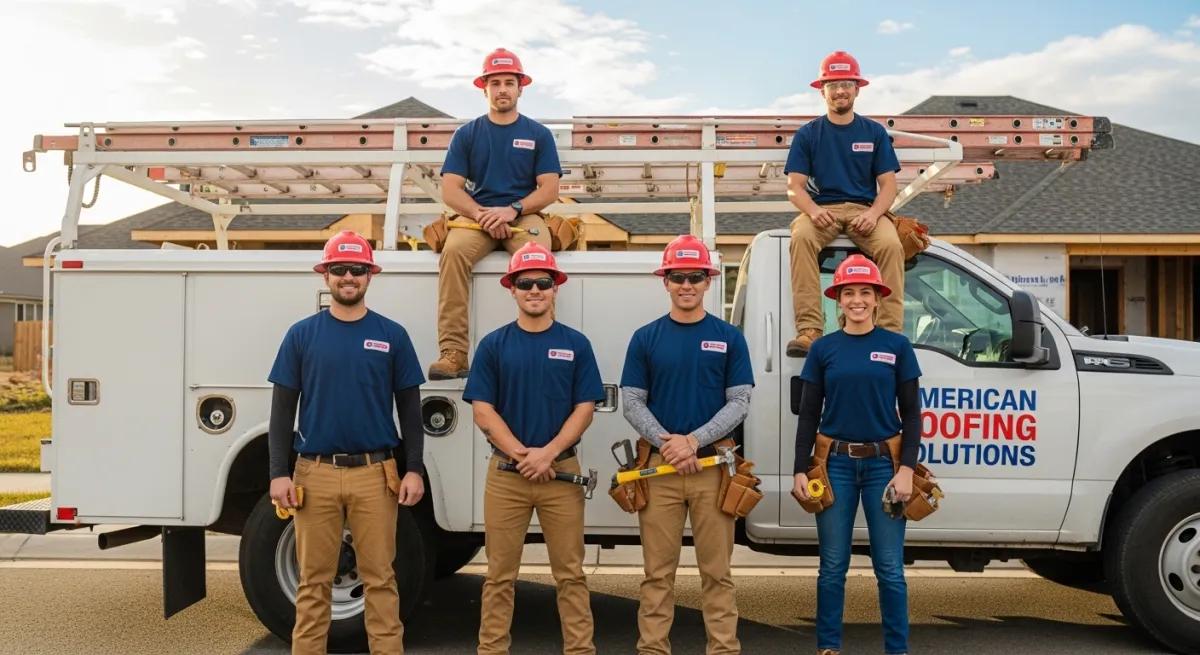
Schedule Your Free Inspection
(888) 217-6517Licensed Contractors · Workmanship Warranty · Free Written Estimates
"I verified the license, called the references, and confirmed the insurance certificate. Everything checked out." — Michael D., Phoenix, AZ
Roofing Contractor Services
We work with licensed roofing contractors handling every common type of residential roof replacement project.
- Residential Roof Replacement — Full home roof replacement with shingle, metal, tile, slate, or wood shake systems.
- Shingle Roof Replacement — 3-tab, architectural, and designer asphalt shingles from major manufacturers.
- Metal Roof Replacement — Standing seam, corrugated, and stone-coated steel installations.
- Tile Roof Replacement — Clay and concrete tile installations with structural assessment.
- Flat Roof Replacement — TPO, EPDM, PVC, and modified bitumen membrane systems for low-slope roofs.
- Insurance Claim Support — Documentation, adjuster meetings, and supplemental claim assistance for storm damage projects.
- Free Written Estimates — Itemized quotes with materials, labor, warranty terms, and timeline.
Call (888) 217-6517 to discuss your project with a licensed contractor.
Roofing Contractors Near You
Our contractor network covers homeowners across the United States. Local contractors are familiar with regional building codes, common weather patterns, and the materials that perform best in your climate.
- Houston, TX
- Denver, CO
- Orlando, FL
- San Diego, CA
- Phoenix, AZ
- Dallas, TX
- Atlanta, GA
- Chicago, IL
- Nashville, TN
- Charlotte, NC
Call (888) 217-6517 to confirm coverage in your area and schedule a free inspection.
Roofing Contractors FAQ
How do I verify that a roof replacement contractor is properly licensed?
Ask for the contractor's state license number and verify it through your state's contractor licensing board — most states have an online lookup tool. Verification takes about two minutes and confirms the license is active, in good standing, and matches the business name on the proposal. A legitimate contractor will provide the number immediately. Call (888) 217-6517 for a free written estimate from a licensed contractor.
What should be included in a roof replacement contract?
A complete contract should include: detailed scope of work, all materials by brand, model, and color, total cost with itemized breakdown, payment schedule, start and completion dates, manufacturer material warranty terms, contractor workmanship warranty terms, permit responsibilities, cleanup provisions, and a clear cancellation policy. Anything missing from the contract is likely to become a change order or a dispute later. Call (888) 217-6517 for a free written estimate.
Should I always pick the cheapest roof replacement quote?
Not necessarily. The lowest bid often excludes important items like ice and water shield, drip edge, ridge venting, decking allowance, or proper underlayment — which then show up as change orders during the project. Compare quotes line by line, not just bottom line. A bid that's 25% lower than competitors usually means something material is missing. Call (888) 217-6517 for a free itemized estimate you can compare apples to apples.
How much should I pay upfront for a roof replacement?
A typical down payment for residential roofing is 10–30% at contract signing, with the balance due upon completion or in milestones tied to specific stages of the project. Contractors who require 50% or more upfront before any work begins should be questioned carefully — that's outside the industry norm. Call (888) 217-6517 to discuss our payment terms.
Why does my roofer need to pull a permit?
Most municipalities require a building permit for full roof replacement. Permits typically cost $150–$500 and ensure the work meets local code with a final inspection by the building department. Permitted work protects your insurance coverage and avoids issues at resale. Call (888) 217-6517 — we handle permitting and inspections as part of every project.
Talk to a Licensed Contractor
(888) 217-6517Free Written Estimates · Workmanship Warranty · Licensed & Insured
"Transparent quoting and a clean job site. Smooth experience overall." — Carol B., Dallas, TX